
Article: Paw Balm Isn’t Just for Winter: Why Paw Care Matters Year-Round
Paw Balm Isn’t Just for Winter: Why Paw Care Matters Year-Round
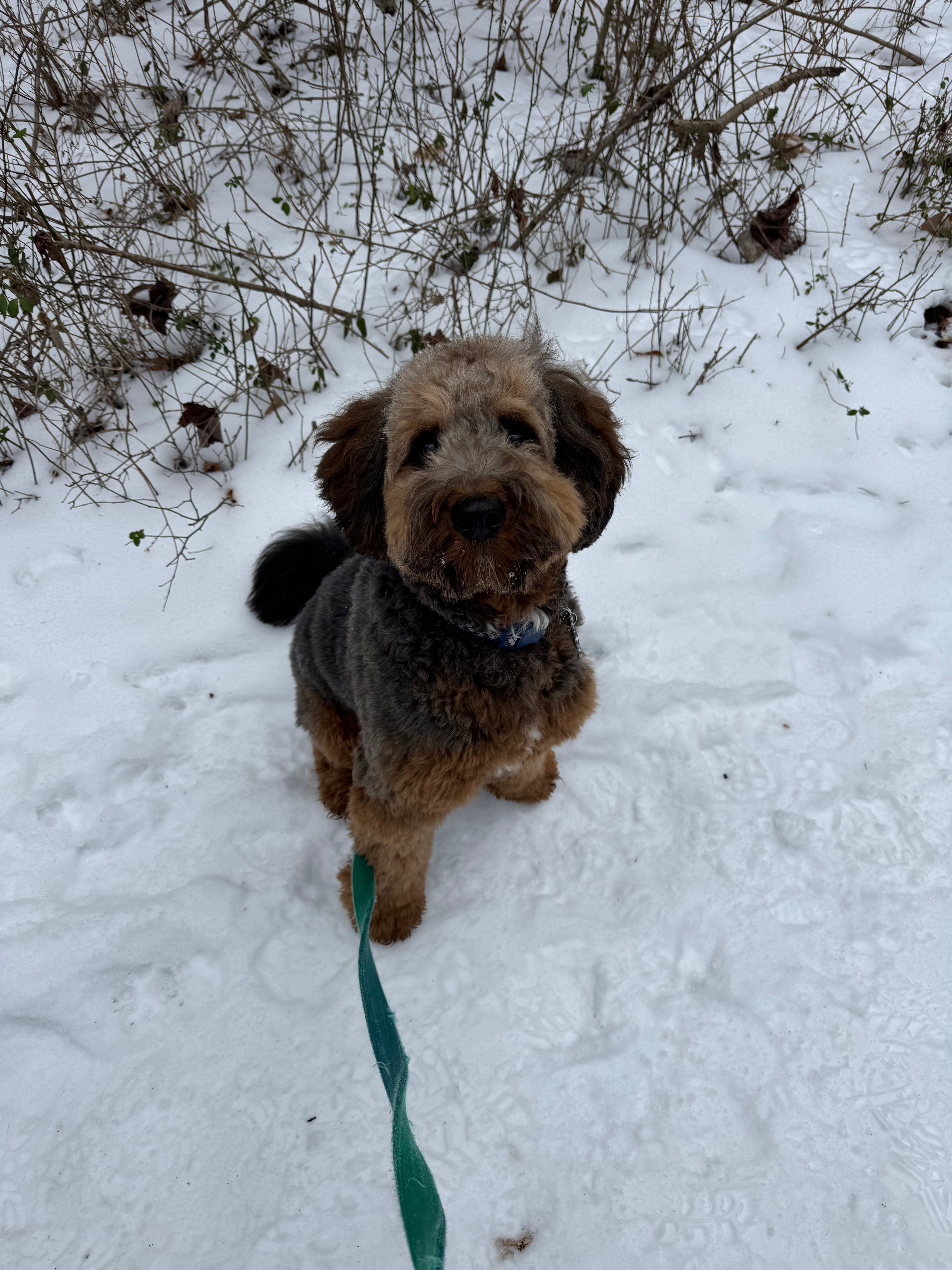
When most people think about protecting their dog’s paws, winter probably comes to mind first.
Cold pavement. Snow and ice. Road salt and deicers. Dry indoor air.
Those are all good reasons to pay a little extra attention to your dog’s paws during the colder months. But winter isn’t the only season that can be tough on them.
Your dog walks through the world barefoot every single day.
Hot sidewalks in the summer. Wet grass and mud in the spring. Rough trails, concrete, gravel and dry ground. Then there’s all the washing and wiping that comes with keeping those paws—and your floors—clean.
That’s why we think of paw care as something that belongs in the routine year-round, not something that gets pulled out of the cabinet only when the temperature drops.
Winter Gets the Attention—for Good Reason
There’s a reason paw balm is so closely associated with winter.
Cold temperatures and dry air can leave paw pads feeling dry and rough. Snow and ice can collect around paws, while salt and other ice-melting products can add another source of irritation.
For many dog owners, this is the time of year when checking paws becomes second nature.
But when spring arrives, those paws don’t suddenly get the season off.
Spring Means Mud, Moisture and More Paw Cleaning
Warmer weather often means more time outside—and a lot more mud coming back inside with your dog.
Wet grass, muddy yards and spring walks can mean paws get wiped or washed more frequently. While keeping paws clean is important, frequent cleaning can also be drying, particularly if you’re doing it several times a day.
After cleaning, gently dry your dog’s paws and take a quick look at the pads and between the toes. It only takes a few seconds, and it’s an easy habit to build into your routine.
Once paws are clean and dry, a paw balm can help keep the pads conditioned and moisturized.
Summer Brings a Different Kind of Paw Challenge
Winter sidewalks may be icy, but summer sidewalks can get hot.
Asphalt, concrete, patios and other surfaces exposed to direct sunlight can become much hotter than the surrounding air. Before heading out, check the surface with your hand. If it’s uncomfortable for you to keep your hand there, choose a cooler surface or wait until later in the day.
Summer can also mean more adventures—longer walks, vacations, trails, parks and plenty of time playing outside.
All of that activity means more wear on those paw pads.
Checking your dog’s paws after outdoor adventures can help you spot dryness, rough areas or anything else that deserves attention before it becomes a bigger issue.
Fall Is the Transition Season
Fall can be easy to overlook.
The intense summer heat is disappearing, but winter hasn’t arrived yet. Temperatures begin dropping, the air gets drier and dogs may still be spending plenty of time outside.
It’s also the perfect time to establish a regular paw-care routine before winter weather arrives.
Rather than waiting until paw pads already feel excessively dry or rough, routine care can help keep them conditioned throughout the changing seasons.
Paw Care Doesn’t Have to Be Complicated
You don’t need an elaborate grooming routine.
For most dogs, it can be as simple as:
- Check their paws regularly.
- Clean away dirt, mud or anything they may have walked through.
- Dry paws thoroughly after washing or wet walks.
- Pay attention to the areas between the toes as well as the pads themselves.
- Use a paw balm as needed to help moisturize and condition dry paw pads.
Bedtime can be an especially convenient time to apply balm. Your dog is settling down for the night, there’s less chance of immediately running back outside, and the balm has some quiet time to do its job.
And yes, there may still be some licking involved. Dogs are dogs.
Don’t Forget the Nose
Paws aren’t the only place that can become dry.
A dog’s nose can experience dryness throughout the year as well, which is why we created our balm for both paws and noses.
Just like paw care, nose care doesn’t need to be complicated. Pay attention to what’s normal for your dog, and when their nose feels dry, a small amount of balm can become another simple part of their routine.
If you notice persistent cracking, bleeding, sores, swelling, limping or anything else that seems unusual, talk with your veterinarian rather than treating it as ordinary dryness.
A Little Care in Every Season
At Shepherd’s Naturals, we don’t think paw care belongs to one particular season.
Winter has salt and ice.
Spring has mud and moisture.
Summer has hot pavement and outdoor adventures.
Fall brings cooler, drier weather and another seasonal transition.
Through all of it, our dogs keep walking beside us—without shoes.
Taking a few moments to clean, check and care for their paws is one of those small things that can easily become part of everyday life.
Because paw balm isn’t really a winter product.
It’s a year-round part of caring for the paws that carry them through every season.
A Simple Addition to Their Routine
Shepherd’s Naturals Paw & Nose Balm was created to help moisturize and condition dry paws and noses with a simple blend of thoughtfully chosen ingredients.
From cold winter days to summer adventures, it’s made to be there whenever your dog needs a little extra care.
Thoughtfully,
Shepherd's Naturals
Every Ingredient. Clearly Listed.
Safe for pets. Tough on messes.
Questions? Comments? Email us anytime at hey@shepherdsnaturals.com. We'd love to hear from you.

Written by Scott Millett

Leave a comment
This site is protected by hCaptcha and the hCaptcha Privacy Policy and Terms of Service apply.